Microsoft Brings Backward Compatible Xbox Mode to Windows PCs
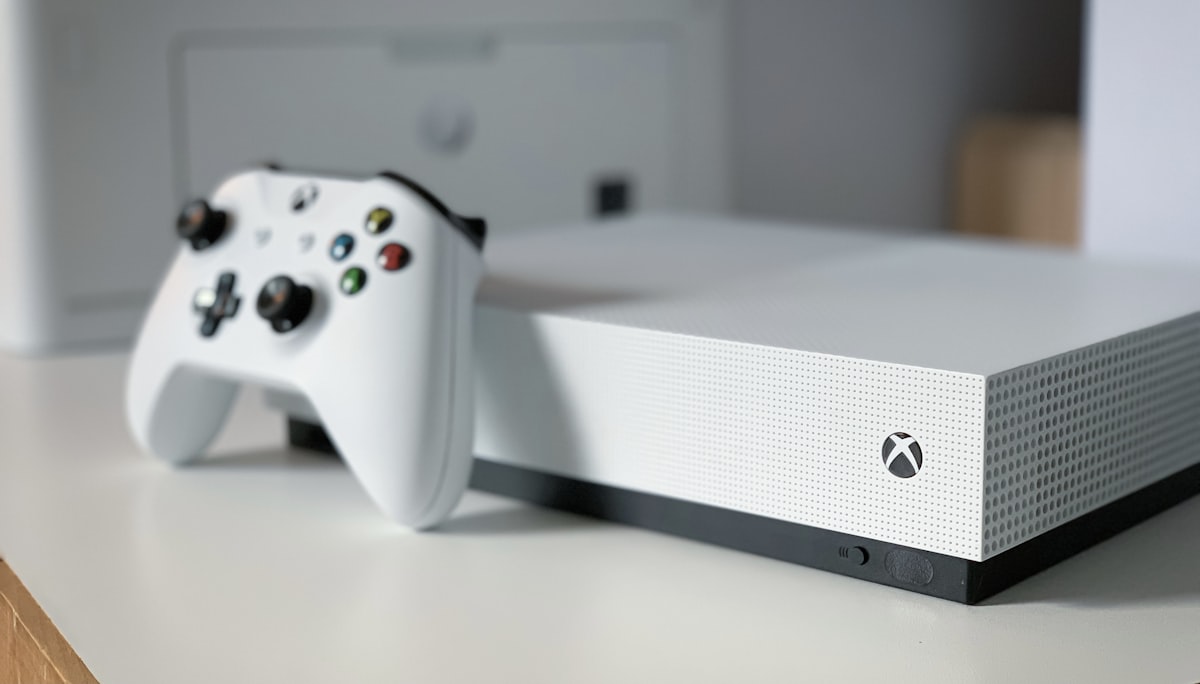
Microsoft has announced the integration of a native Xbox compatibility layer into Windows 11, enabling PC users to run original Xbox games directly on their systems. The compatibility layer utilizes Hyper-V virtualization to emulate the custom Pentium-based x86 architecture of the original 2001 console.
Users with optical disc drives can insert original game discs, which the system will validate and execute natively. Digital purchases from the Xbox Live marketplace will also be supported, allowing retro gaming enthusiasts to access their classic libraries without relying on third-party emulators.
The announcement
The announcement in Microsoft Brings Backward Compatible Xbox Mode to Windows PCs is the claim. Separate the launch label (preview, GA, partnership, waitlist) from the actual user-visible change. the source can only print what the company put on the record; your job is to keep that boundary honest when you brief other people.
Microsoft has announced the integration of a native Xbox compatibility layer into Windows 11, enabling PC users to run original Xbox games directly on their… The compatibility layer utilizes Hyper-V virtualization to emulate the custom Pentium-based x86 architecture of the original 2001 console.
What actually changed
What usually moves in a launch like this is packaging, access, pricing tier, or a control plane — not a rewrite of the underlying product. Confirm that split in the vendor notes before you tell a team to re-plan. If the notes are thin, assume the product is the same and only the door to it moved.
Users with optical disc drives can insert original game discs, which the system will validate and execute natively. Digital purchases from the Xbox Live marketplace will also be supported, allowing retro gaming enthusiasts to access their classic libraries without relying on third-party emulators.
Who should care
The people who should care first are the ones already on the product, plus anyone mid-migration. Everyone else can wait for the first independent write-up after the embargo noise settles. If you are evaluating a buy vs build this quarter, add a calendar hold for the first customer post, not for the launch tweet.
The announcement in Microsoft Brings Backward Compatible Xbox Mode to Windows PCs is the claim. Separate the launch label (preview, GA, partnership, waitlist) from the actual user-visible change.
Availability and how to try it
Availability is whatever the vendor stated — region, tier, waitlist, or general access. If the source did not name a date or SKU, do not invent one; open the official product page and screenshot the access line. That screenshot is the artifact you want in Slack, not a paraphrase.
the source can only print what the company put on the record; your job is to keep that boundary honest when you brief other people. What usually moves in a launch like this is packaging, access, pricing tier, or a control plane — not a rewrite of the underlying product.
What to watch next
Watch for the first breaking-change note and the first customer who tries this in production. That is the real ship signal. A launch without either of those inside a month is still a press cycle.
Confirm that split in the vendor notes before you tell a team to re-plan. If the notes are thin, assume the product is the same and only the door to it moved.
A 3–5 minute news post is a briefing, not a runbook. Keep the source and the vendor's primary page in another tab, quote only what they printed, and write down the single decision this story forces (upgrade, wait, or ignore) before you Slack it to the rest of the team. If you need more than that decision, you want the primary docs or a later engineering deep-dive — not another recap of Microsoft Brings Backward Compatible Xbox Mode to Windows PCs.
When you brief someone else on Microsoft Brings Backward Compatible Xbox Mode to Windows PCs, lead with the surface that moved and the decision you need from them. Do not paste the whole thread. If you cannot name the surface — API, policy, model, hardware, or commercial terms — you are not ready to brief. Go back to the source and the vendor page until you can. That extra ten minutes is cheaper than a wrong upgrade or a missed exposure.