Building on open source AI? Hugging Face’s policy chief on the costs
Equity interviewed Hugging Face policy chief Irene Solaiman on November 4, 2026 about open-model costs, Nvidia, Chinese models, and attacks on open platforms.
By Dillip Chowdary • Nov 05, 2026 • Source: TechCrunch Startups
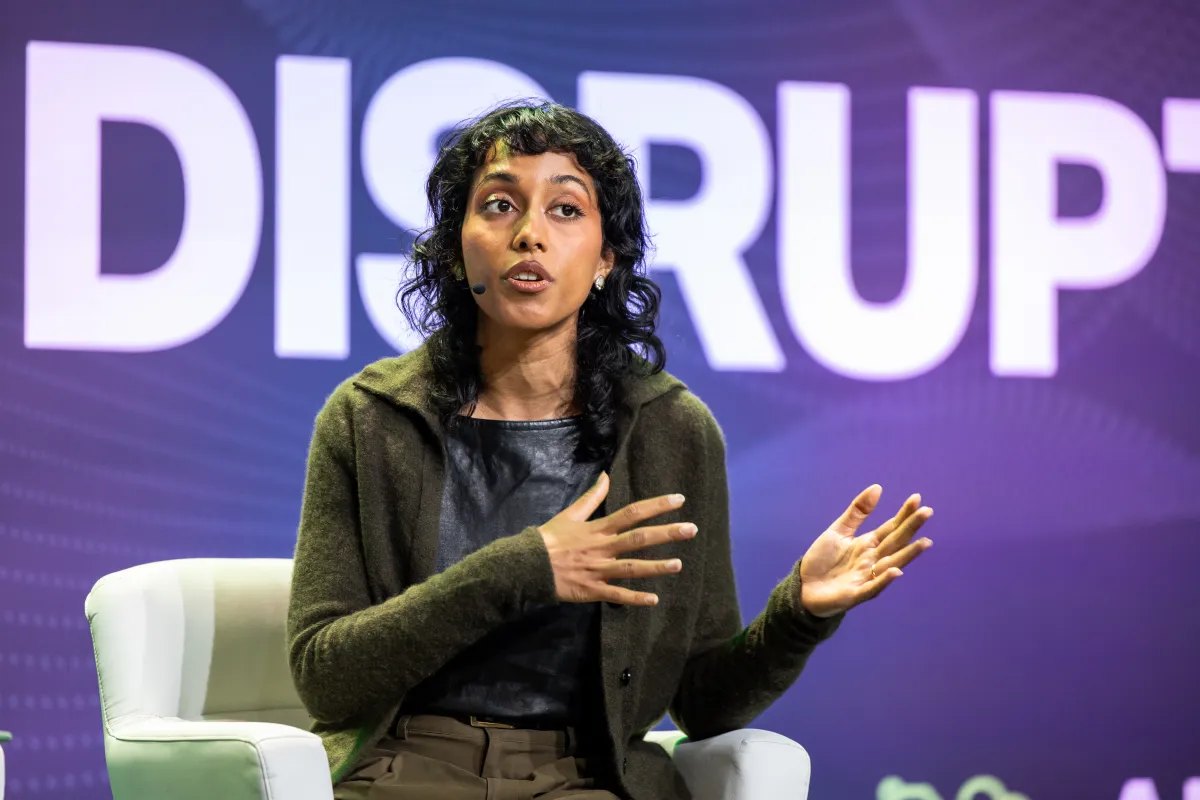
At a glance
- Published
- November 4, 2026
- Podcast
- Equity, TechCrunch's flagship podcast
- Guest
- Irene Solaiman, Hugging Face
- Interviewer
- Rebecca Bellan, TechCrunch senior reporter
- Audio producer
- Theresa Loconsolo
The piece has to stay inside the podcast page’s facts and hit the section lengths, so I’m counting words against that source before the final text.The draft is over the length cap, so I’m tightening each section to the source facts only.Hugging Face Chief Policy Officer and SVP of Strategy Irene Solaiman spoke with TechCrunch senior reporter Rebecca Bellan on Equity, published November 4, 2026. The episode covers the costs, risks, and trade-offs of building on open source AI, with audio produced by Theresa Loconsolo for TechCrunch’s flagship podcast. TechCrunch Startups's report ties the interview to a mainstream shift: enterprises, governments, and startups are relying on open models for lower costs, more control, and more flexibility.
This piece is for founders, enterprise buyers, and government teams choosing whether to build on open models. It reports the November 4 conversation on cutting costs, when the most powerful models make less sense, and who makes money if models are free to use. It covers why the United States may need deep-pocketed players such as Nvidia for an open frontier model as Chinese open models gain ground, plus the security question from recent attacks on open AI platforms.
01What actually changed
Rebecca Bellan’s interview with Irene Solaiman asks how companies capture value once increasingly capable models are freely available. Chinese open models are gaining ground at the same time, and the episode asks whether American players can keep up. Broader adoption and tougher competition are the two changes the episode takes up.
Rebecca Bellan’s interview with Irene Solaiman asks how companies capture value once increasingly capable models are freely available. Chinese open models are gaining ground at the same time, and the episode asks whether American players can keep up. Broader adoption and tougher competition are the two changes the episode takes up.
Startups now face choices that come before the build. The episode covers what teams need to know before building on open models, from the right tools and infrastructure through the trade-offs in open AI.
Recent attacks on open AI platforms add a security choice: how do you keep an open ecosystem secure without closing it off? The episode also asks who makes money when the models are free to use, and whether the companies building them can capture the value they create.
02How it works
Startups, enterprises, and governments are switching to open AI models to cut costs, and the discussion includes when it makes less sense to use the most powerful models. Lower costs, more control, and more flexibility are the three results the switch is meant to deliver. The limit on the most powerful models is one trade-off startups are told to weigh before the build.
Startups, enterprises, and governments are switching to open AI models to cut costs, and the discussion includes when it makes less sense to use the most powerful models. Lower costs, more control, and more flexibility are the three results the switch is meant to deliver. The limit on the most powerful models is one trade-off startups are told to weigh before the build.
When the model is free to use, the episode turns to money. Who makes money, and can the companies building the models capture the value they create?
Tools and infrastructure stay in that picture, because startups are told to settle those choices before they build. Security is a constraint taken from recent attacks on open AI platforms.
Operators have to keep an open ecosystem secure without closing it off. Irene Solaiman takes up both issues as Hugging Face’s Chief Policy Officer and SVP of Strategy.
Advertisement
Tech Pulse Daily
Get tomorrow's pulse first
Join engineers who read Tech Pulse before stand-up. Free, weekday mornings.
03Why it matters
The episode pairs that move with a limit: in some cases it makes less sense to use the most powerful models. Builders carry the other exposure. With increasingly capable models freely available, the question is who captures the value, including the company that built the free-to-use model.
The episode pairs that move with a limit: in some cases it makes less sense to use the most powerful models. Builders carry the other exposure. With increasingly capable models freely available, the question is who captures the value, including the company that built the free-to-use model.
Chinese open models raise the competitive stake. They are gaining ground, and the episode asks whether American players can keep up.
Funding is the constraint the episode examines. The United States may need deep-pocketed players like Nvidia to build an open frontier model that can compete with China’s.
The risk named beside that build is Chinese models becoming the global default. Recent attacks on open AI platforms add the problem of staying secure without closing it off as more buyers depend on open models.
04Who is affected
Guidance for them covers what to know beforehand: tools, infrastructure, and trade-offs. Enterprises and governments share the limit on the most powerful models, which make less sense for some uses. If Chinese models become the global default, all three sit inside that stake, next to the question of whether American players can keep up.
Guidance for them covers what to know beforehand: tools, infrastructure, and trade-offs. Enterprises and governments share the limit on the most powerful models, which make less sense for some uses. If Chinese models become the global default, all three sit inside that stake, next to the question of whether American players can keep up.
Nvidia is among the deep-pocketed players the United States may need for an open frontier model that can compete with China’s. Operators of open AI platforms have to secure the ecosystem after recent attacks without closing it off. Hugging Face is in that discussion through Irene Solaiman.
Nvidia is among the deep-pocketed players the United States may need for an open frontier model that can compete with China’s. Operators of open AI platforms have to secure the ecosystem after recent attacks without closing it off. Hugging Face is in that discussion through Irene Solaiman.
05What to watch
Who makes money when models are free to use, and can builders capture the value they create? Why may the United States need deep-pocketed players like Nvidia to build an open frontier model that can compete with China’s, and what is at stake if Chinese models become the global default? After recent attacks, how do open AI platforms stay secure without closing the ecosystem off?
Who makes money when models are free to use, and can builders capture the value they create? Why may the United States need deep-pocketed players like Nvidia to build an open frontier model that can compete with China’s, and what is at stake if Chinese models become the global default? After recent attacks, how do open AI platforms stay secure without closing the ecosystem off?
Based in New Jersey, she holds a bachelor’s degree in Communication from Monmouth University. Rebecca Bellan covers the business, policy, and emerging trends shaping artificial intelligence, with work in Forbes, Bloomberg, The Atlantic, and The Daily Beast. Equity is on Apple Podcasts, Spotify, YouTube, Overcast, X, and Threads at @EquityPod.
Based in New Jersey, she holds a bachelor’s degree in Communication from Monmouth University. Rebecca Bellan covers the business, policy, and emerging trends shaping artificial intelligence, with work in Forbes, Bloomberg, The Atlantic, and The Daily Beast. Equity is on Apple Podcasts, Spotify, YouTube, Overcast, X, and Threads at @EquityPod.
Frequently asked questions
Who is Hugging Face’s chief policy officer on the Equity episode?
Irene Solaiman, Chief Policy Officer and SVP of Strategy at Hugging Face. TechCrunch senior reporter Rebecca Bellan interviewed her on Equity, published November 4, 2026, with Theresa Loconsolo producing the audio.
Why are startups, enterprises, and governments switching to open AI models?
They are switching to cut costs, relying on lower costs, more control, and more flexibility. The November 4 episode also covers when it makes less sense to use the most powerful models.
Who makes money when open AI models are free to use?
The Equity interview asks who makes money when the models are free to use, and whether the companies building them can capture the value they create.
Why does the episode bring up Nvidia and Chinese open models?
Chinese open models are gaining ground, and the episode asks whether American players can keep up. It takes up why the United States may need deep-pocketed players like Nvidia to build an open frontier model that can compete with China’s, and what is at stake if Chinese models become the global default.
How are recent attacks shaping open AI platforms?
Recent attacks on open AI platforms raise a direct question: how do you keep an open ecosystem secure without closing it off? That question is part of Rebecca Bellan’s November 4, 2026 Equity interview with Irene Solaiman.
Sources

Author
Dillip Chowdary
Writes Tech Bytes coverage of AI, engineering, and the tools that actually ship. Editor of Tech Pulse Daily.
Related on Tech Bytes
Advertisement