Apple Sues OpenAI Over Alleged Theft of Hardware Trade Secrets
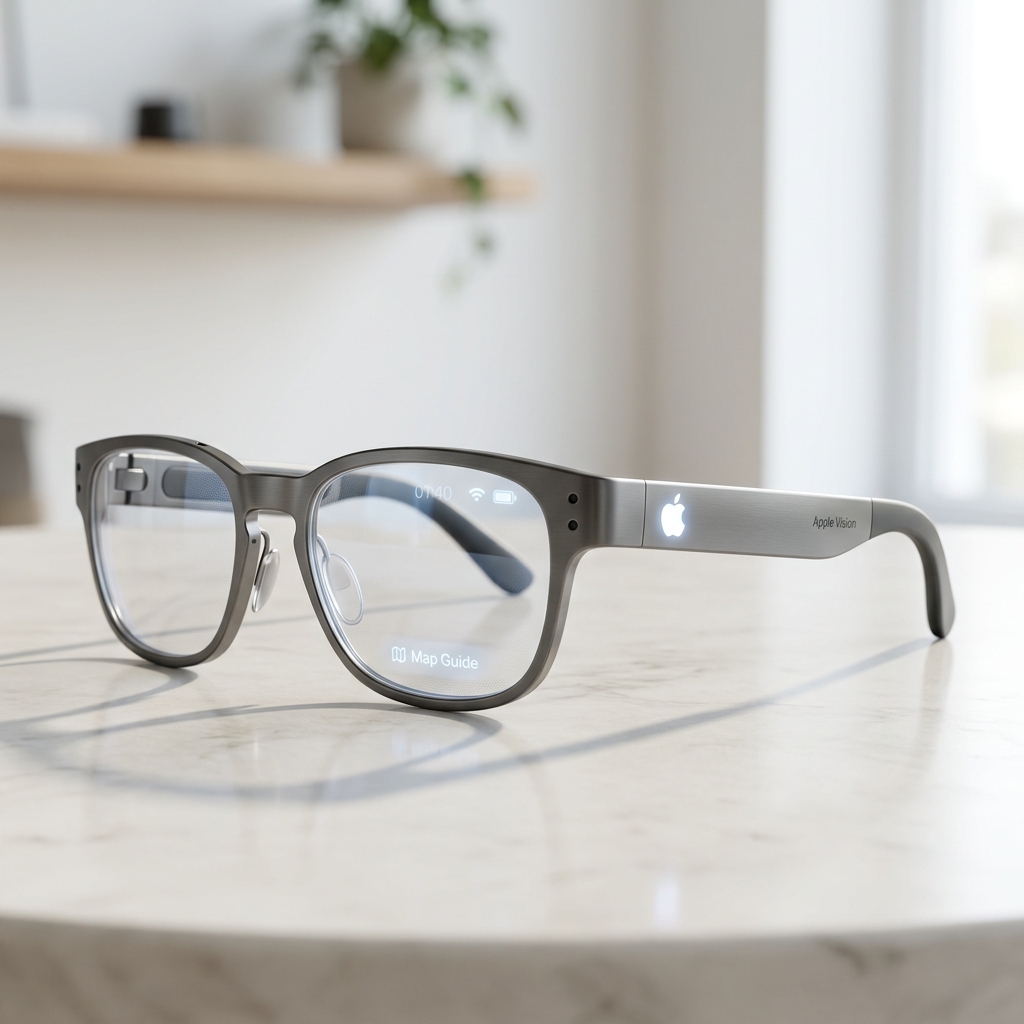
In a major legal escalation, Apple has filed a comprehensive lawsuit against OpenAI, alleging that the AI startup orchestrated a systematic campaign to poach key hardware engineering talent. According to the complaint, former Apple employees were encouraged to download proprietary documents, internal blueprints, and chip design secrets before transitioning to OpenAI. This legal battle represents a critical clash over the ownership of next-generation artificial intelligence silicon designs.
Get deeper technical analysis and daily pulse reports directly in your inbox.
What happened
Read the source's account next to the product docs, not instead of them. Names and figures in the lede are the ones we can stand behind; everything else below is how teams usually absorb a story like this. If a number, ship date, or quote is not in the source excerpt, it is not in this briefing. That is deliberate — day-one coverage is where invented specifics do the most damage.
In a major legal escalation, Apple has filed a comprehensive lawsuit against OpenAI, alleging that the AI startup orchestrated a systematic campaign to poach… According to the complaint, former Apple employees were encouraged to download proprietary documents, internal blueprints, and chip design secrets before transitioning to OpenAI.
How it works
Under the hood this is a systems change, not a press-release adjective. Ask what surface area moved — API, policy, hardware, model behavior, or go-to-market — and which of those you actually ship against. A useful working question: if you had to draw the before/after on a whiteboard, which box would you erase? That is the mechanism. Everything else is packaging.
This legal battle represents a critical clash over the ownership of next-generation artificial intelligence silicon designs. Get deeper technical analysis and daily pulse reports directly in your inbox.
Why it matters
If you build on or compete with the parties named in Apple Sues OpenAI Over Alleged Theft of Hardware Trade Secrets, the practical hit is on roadmap sequencing and risk reviews this quarter, not on a vague 'future of the industry'. Put one owner on the story, give them a day to read the primary material, and decide whether this is a this-sprint item, a this-quarter item, or noise.
Read the source's account next to the product docs, not instead of them. Names and figures in the lede are the ones we can stand behind; everything else below is how teams usually absorb a story like this.
Who is affected
Incumbents, customers, and adjacent open-source projects do not feel this equally. Map the change to your own stack: what you operate, what you buy, and what you will have to explain to a security, legal, or finance review. Partners and resellers often feel it before the end user does — check those contracts before you assume nothing moved.
If a number, ship date, or quote is not in the source excerpt, it is not in this briefing. That is deliberate — day-one coverage is where invented specifics do the most damage.
What to watch next
Treat the next two weeks as a verification window. Watch the vendor's own changelog, any regulator or standards follow-up, and whether a competitor ships a matching capability. Do not change production on day-one coverage alone. If nothing new is published in that window, the story was smaller than the headline.
Under the hood this is a systems change, not a press-release adjective. Ask what surface area moved — API, policy, hardware, model behavior, or go-to-market — and which of those you actually ship against.
A 3–5 minute news post is a briefing, not a runbook. Keep the source and the vendor's primary page in another tab, quote only what they printed, and write down the single decision this story forces (upgrade, wait, or ignore) before you Slack it to the rest of the team. If you need more than that decision, you want the primary docs or a later engineering deep-dive — not another recap of Apple Sues OpenAI Over Alleged Theft of Hardware Trade Secrets.
Deep Dive & Market Context
The lawsuit alleges that the poached engineers were specifically hired to build out OpenAI's internal hardware division, which is reportedly developing custom server-grade and edge-optimized AI chips. The complaint specifies that stolen trade secrets include details on Apple's proprietary neural engine architectures, power management systems, and high-bandwidth memory layouts. The outcome of this case could reshape talent mobility and hardware development protocols in Silicon Valley.
AI Video Generator
Transform scripts into highly engaging faceless YouTube and TikTok videos in seconds.
Strategic Implications for Developers
Legal analysts state that Apple is seeking substantial damages, a return of all proprietary materials, and a permanent injunction to prevent OpenAI from utilizing any of the disputed technologies in their products. OpenAI has denied the accusations, asserting that they respect intellectual property rights and hire talent based on merit and open competition. Developers and industry observers are closely watching the litigation, as it could set new precedents for employee non-disclosure agreements.