Ads in Chatbots Have Arrived. Here’s What’s Working—and What’s Not
OpenAI has signed over 100,000 advertisers into ChatGPT since February as ad networks bring contextual marketing to conversational applications across the web.
By Dillip Chowdary • Nov 07, 2026 • Source: Wired
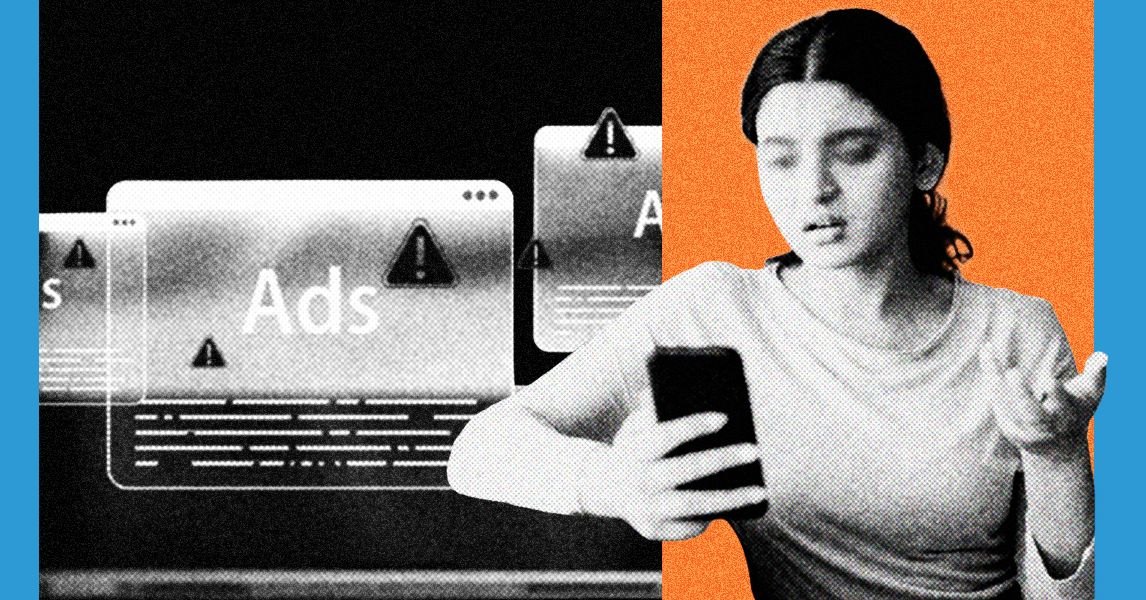
OpenAI, Google, and independent ad tech networks are deploying commercial advertisements inside artificial intelligence chatbots to offset high inference compute costs. While Anthropic maintains the ad-free pledge made during its Super Bowl commercial, backed by $112 billion in investor cash and omitting ads from its initial public offering filing, competitors are commercializing rapidly. According to Wired's report, OpenAI has secured over 100,000 advertisers in ChatGPT since February, Google expanded AI Mode ads to ten more countries, and Koah Labs is serving ads across 200 applications.
This analysis details how conversational ad networks operate, how machine-crafted copy converts, and how platforms ingest dialogue context to target consumers. It is written for engineering leaders, digital marketers, application developers, and product teams evaluating generative monetization models.
Readers will examine targeting mechanics, regulatory limits affecting pharmaceutical brands, and how autonomous shopping agents like Meta's Muse could reshape digital commerce. As conversational interfaces displace traditional search engines, understanding these technical mechanics, commercial metrics, and privacy trade-offs has become essential across the software sector.
01What actually changed
Google matched this momentum by expanding its AI Mode search chatbot ads to ten more countries beyond the United States, claiming users find them highly relevant. Meanwhile, San Francisco startup Koah Labs connected brands to more than 200 applications, including DeepAI and Liner. Although Koah maintains one-tenth of OpenAI's advertiser base, it already delivers campaigns for telehealth provider Hims and flower delivery service UrbanStems.
Google matched this momentum by expanding its AI Mode search chatbot ads to ten more countries beyond the United States, claiming users find them highly relevant. Meanwhile, San Francisco startup Koah Labs connected brands to more than 200 applications, including DeepAI and Liner. Although Koah maintains one-tenth of OpenAI's advertiser base, it already delivers campaigns for telehealth provider Hims and flower delivery service UrbanStems.
Supported by roughly $112 billion in investor cash, Anthropic can fund server infrastructure without selling ad inventory. In contrast, independent applications lack comparable venture reserves. For these smaller platforms, embedding programmatic ad networks provides an immediate way to defray the steep computational costs required to generate real-time responses.
Supported by roughly $112 billion in investor cash, Anthropic can fund server infrastructure without selling ad inventory. In contrast, independent applications lack comparable venture reserves. For these smaller platforms, embedding programmatic ad networks provides an immediate way to defray the steep computational costs required to generate real-time responses.
02How it works
Conversational ad targeting leverages extended dialogue context rather than isolated keywords. Chatbot prompts typically average at least double the length of standard Google search queries, supplying ad networks with detailed intent signals.
When an application requests an ad, Koah Labs evaluates the user prompt, the complete conversation history, and the model's generated answer. This conversational context enables creative thematic matches; for example, Koah serves promotions for wellness spas when users discuss stress.
All ad units are grounded in advertiser-provided product details and imagery to prevent hallucinations. The network reports an average 3 percent click-through rate, matching conventional Google search performance.
However, regulatory requirements limit automated copy generation for certain sectors. Drugmakers face strict government disclosure rules, forcing them to maintain human control over promotional text, which Baird notes produces weaker results. Looking forward, ad networks plan to use conversation histories to dynamically customize the landing pages users encounter after clicking an ad, tailoring content to specific features discussed in earlier chat turns.
However, regulatory requirements limit automated copy generation for certain sectors. Drugmakers face strict government disclosure rules, forcing them to maintain human control over promotional text, which Baird notes produces weaker results. Looking forward, ad networks plan to use conversation histories to dynamically customize the landing pages users encounter after clicking an ad, tailoring content to specific features discussed in earlier chat turns.
Advertisement
Tech Pulse Daily
Get tomorrow's pulse first
Join engineers who read Tech Pulse before stand-up. Free, weekday mornings.
03Why it matters
Koah Labs is also preparing retargeting capabilities, allowing advertisers to repeat relevant ads to returning users based on established conversational context. Because consumers explore multi-step workflows within single chat sessions, conversational ad networks can identify nuanced needs far more effectively than traditional keyword search. This multi-turn engagement gives digital marketers a direct channel to present products at precise moments of user consideration.
Koah Labs is also preparing retargeting capabilities, allowing advertisers to repeat relevant ads to returning users based on established conversational context. Because consumers explore multi-step workflows within single chat sessions, conversational ad networks can identify nuanced needs far more effectively than traditional keyword search. This multi-turn engagement gives digital marketers a direct channel to present products at precise moments of user consideration.
Nic Baird anticipates that manufacturers will purchase targeted conversational ads to intercept dissatisfied customers, guiding them toward automated support tools or warranty reminders. Delivering targeted assistance through paid placements guarantees brands communicate their preferred resolution while potentially reducing costly call center interactions. While a successful placement resolves consumer friction quickly, an irrelevant or poorly timed ad risks frustrating consumers and wasting enterprise marketing capital.
Nic Baird anticipates that manufacturers will purchase targeted conversational ads to intercept dissatisfied customers, guiding them toward automated support tools or warranty reminders. Delivering targeted assistance through paid placements guarantees brands communicate their preferred resolution while potentially reducing costly call center interactions. While a successful placement resolves consumer friction quickly, an irrelevant or poorly timed ad risks frustrating consumers and wasting enterprise marketing capital.
04Who is affected
To select relevant ad units, Koah Labs routinely receives a user's entire conversation history up to that prompt. While Baird explains that Koah anonymizes and stores conversational data in a de-identified format, the company declined to comment further on data collection and storage. Users must therefore weigh the convenience of contextual recommendations against third-party ad networks inspecting their multi-turn conversation records.
To select relevant ad units, Koah Labs routinely receives a user's entire conversation history up to that prompt. While Baird explains that Koah anonymizes and stores conversational data in a de-identified format, the company declined to comment further on data collection and storage. Users must therefore weigh the convenience of contextual recommendations against third-party ad networks inspecting their multi-turn conversation records.
Platform founders and digital advertisers are also navigating operational friction within conversational ad environments. DeepAI chief executive Kevin Baragona stated that while advertising revenue has been meaningful, he is not committed to the format because the user experience does not feel right regarding design and privacy, adding that ads are not working terribly well for anyone.
Advertisers share similar reservations, expressing dissatisfaction with current measurement tools, unpredictable prompt context, and brand safety limitations. While brands like Hims and UrbanStems participate, corporate sponsors expect ad tech vendors to resolve interface clutter before committing major advertising budgets.
05What to watch
Meta chief executive Mark Zuckerberg indicated that Muse could become the company's largest revenue source, suggesting revenue will flow from transaction fees rather than traditional advertising. Even so, initial studies suggest promotional campaigns can influence autonomous agent decisions. Nic Baird anticipates that future ad systems will pitch agents directly, delivering compelling product discounts, verified availability, and streamlined purchasing paths to win algorithmic endorsements during transactions.
Meta chief executive Mark Zuckerberg indicated that Muse could become the company's largest revenue source, suggesting revenue will flow from transaction fees rather than traditional advertising. Even so, initial studies suggest promotional campaigns can influence autonomous agent decisions. Nic Baird anticipates that future ad systems will pitch agents directly, delivering compelling product discounts, verified availability, and streamlined purchasing paths to win algorithmic endorsements during transactions.
Industry adoption will ultimately hinge on transparency and competitive pressures from ad-free platforms. Baird notes that chatbots must make sponsored content abundantly clear to agents and human users to preserve platform trust.
Meanwhile, if more developers adopt Anthropic's ad-free model, commercial ad networks may struggle to reach sustainable scale. Over the coming months, industry observers should track whether Google and OpenAI can improve advertiser satisfaction, how privacy regulators respond to conversation logging, and whether transaction fees from agents like Muse supplant conversational display ads entirely.
Frequently asked questions
How many advertisers are running campaigns inside ChatGPT?
OpenAI has accumulated more than 100,000 advertising customers in ChatGPT since introducing promotional placements in February.
Why do machine-written ads generate higher engagement than human-written copy?
Koah Labs reported that ads co-written by AI achieve double the clicks of human-authored copy because synthetic phrasing blends more naturally with conversational chatbot output.
How does Koah Labs target advertisements within AI chatbots?
Koah Labs evaluates the user's prompt, the full conversation history up to that point, and the model's generated response to select contextually relevant promotions grounded in advertiser product data.
How do autonomous shopping agents like Meta's Muse monetize interactions?
Meta chief executive Mark Zuckerberg indicated that Muse could become the company's largest revenue source through transaction fees on purchases rather than conventional advertising.
Sources

Author
Dillip Chowdary
Writes Tech Bytes coverage of AI, engineering, and the tools that actually ship. Editor of Tech Pulse Daily.
Related on Tech Bytes
Advertisement